 PreConstruct AI
Using it
Every control, in the order you meet them
Eight tabs, one short clip each, recorded from the running product on the sample set. No sound — every clip is captioned, so it reads with the volume off.
Prefer to be shown on your own screen? Open any project and press Show me around. It points at the real controls and waits for you.
Plans
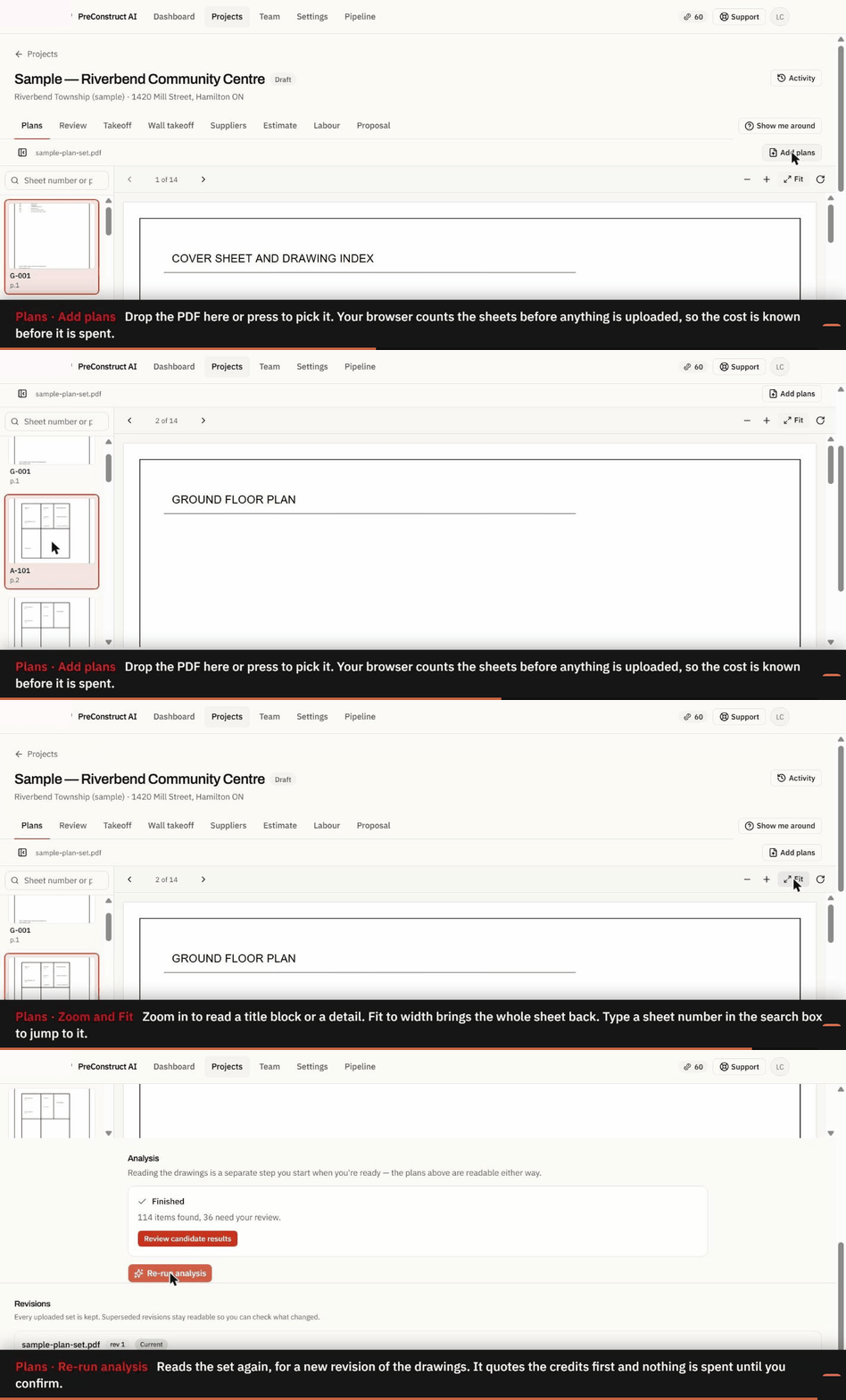
Where the drawing set goes, and the only place a credit is ever spent. Your browser counts the sheets before anything is uploaded, so the cost is known before it is committed.
What the clip covers
- Add plans — drop a PDF or press to pick one
- The sheet list, and clicking through to any sheet
- Zoom, Fit to width, and jumping by sheet number
- Re-run analysis, for a new revision of the drawings
Review
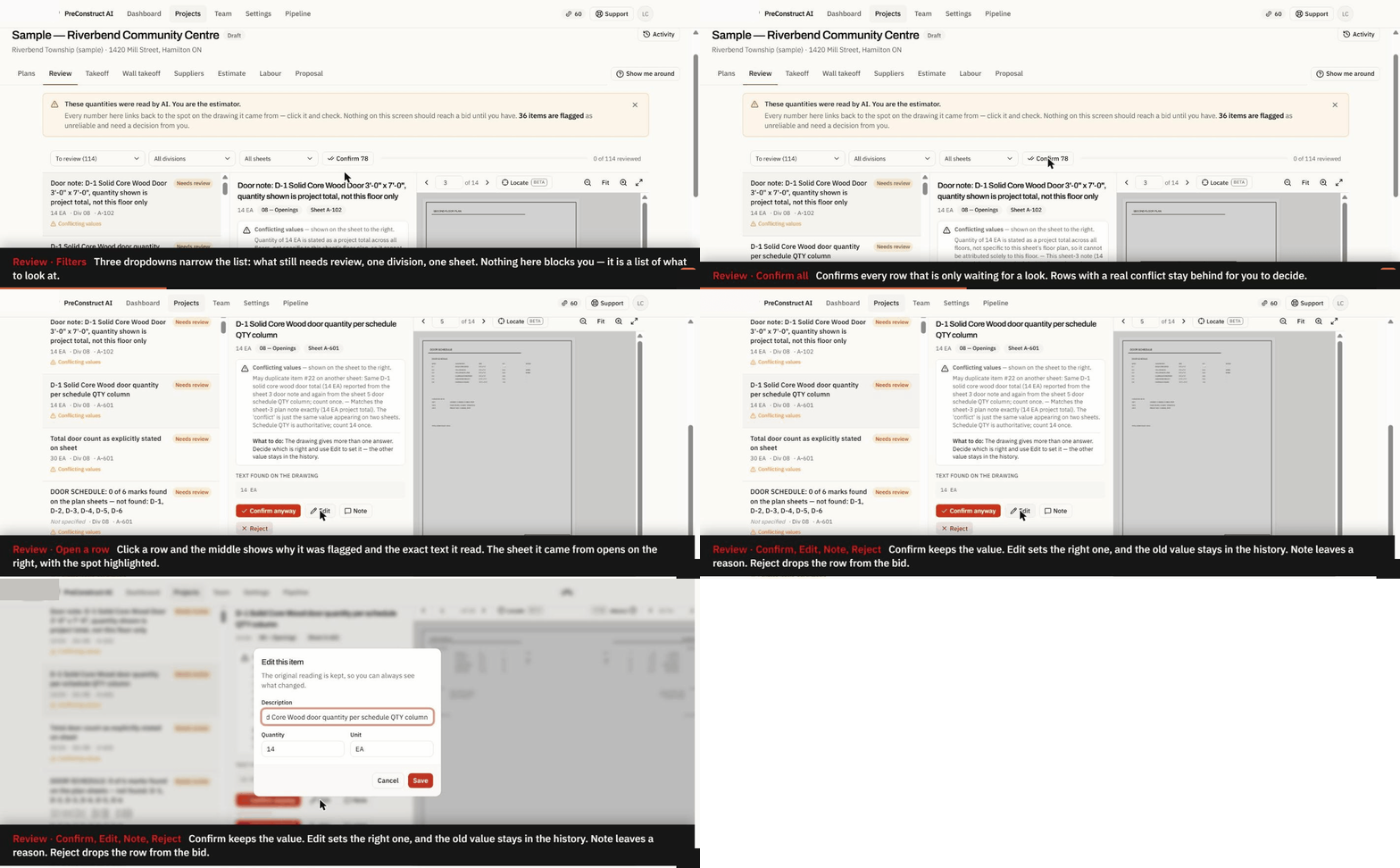
Everything the analysis was not sure about, listed instead of guessed. Nothing here blocks you — it is a list of what to look at, and each row opens onto the exact text on the sheet it came from.
What the clip covers
- The three filters: what needs review, one division, one sheet
- Confirm all, for the rows only waiting on a look
- Opening a row to see why it was flagged
- Confirm, Edit, Note and Reject
- Locate, which jumps the sheet to the highlighted text
Takeoff
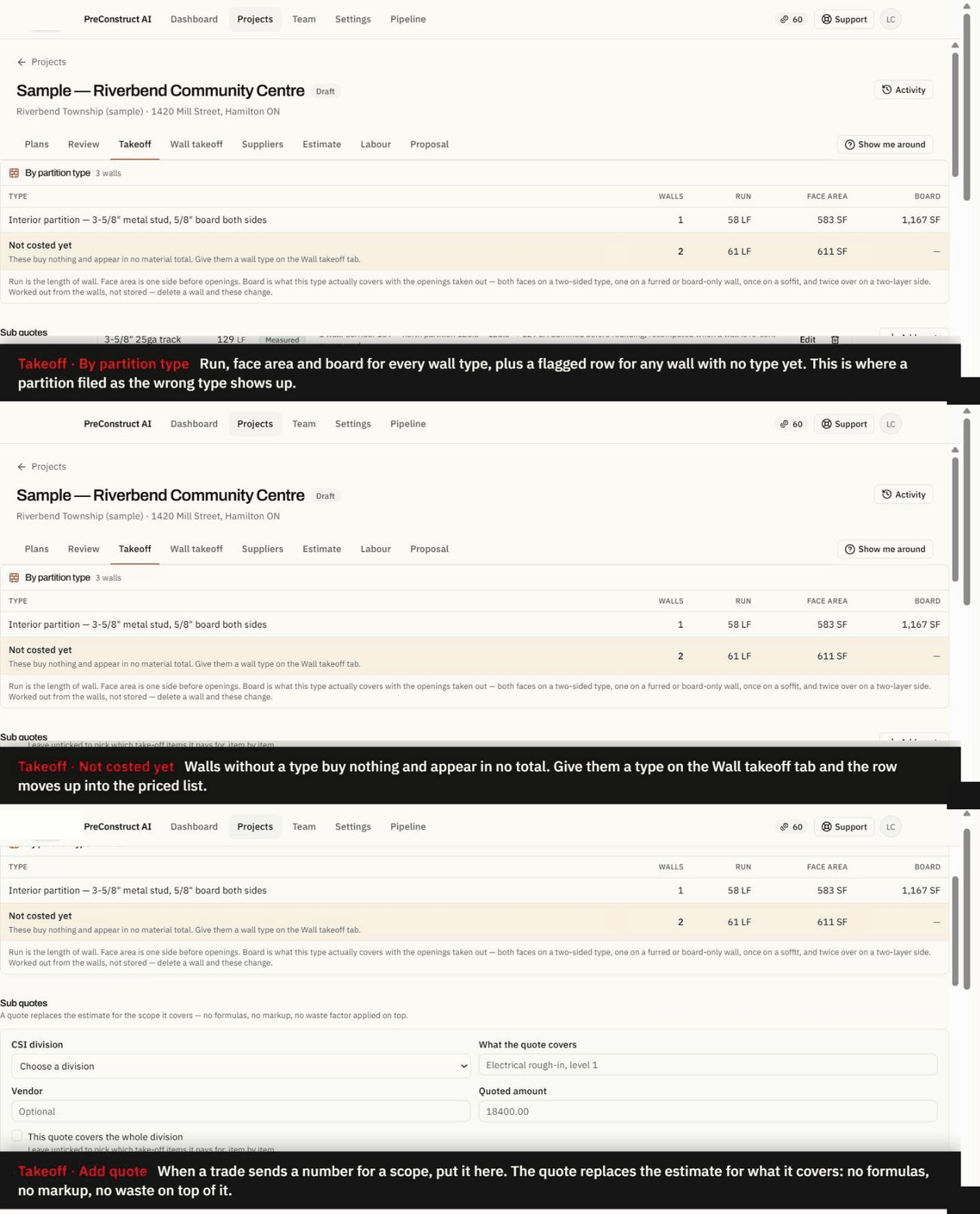
The job checked by wall type rather than by total. This is the screen that catches a partition filed as the wrong type — an error that never looks wrong in a material total, because the total is still plausible.
What the clip covers
- Run, face area and board for every partition type
- “Not costed yet”, for any wall without a type
- Add quote, when a trade prices a scope for you
Wall takeoff
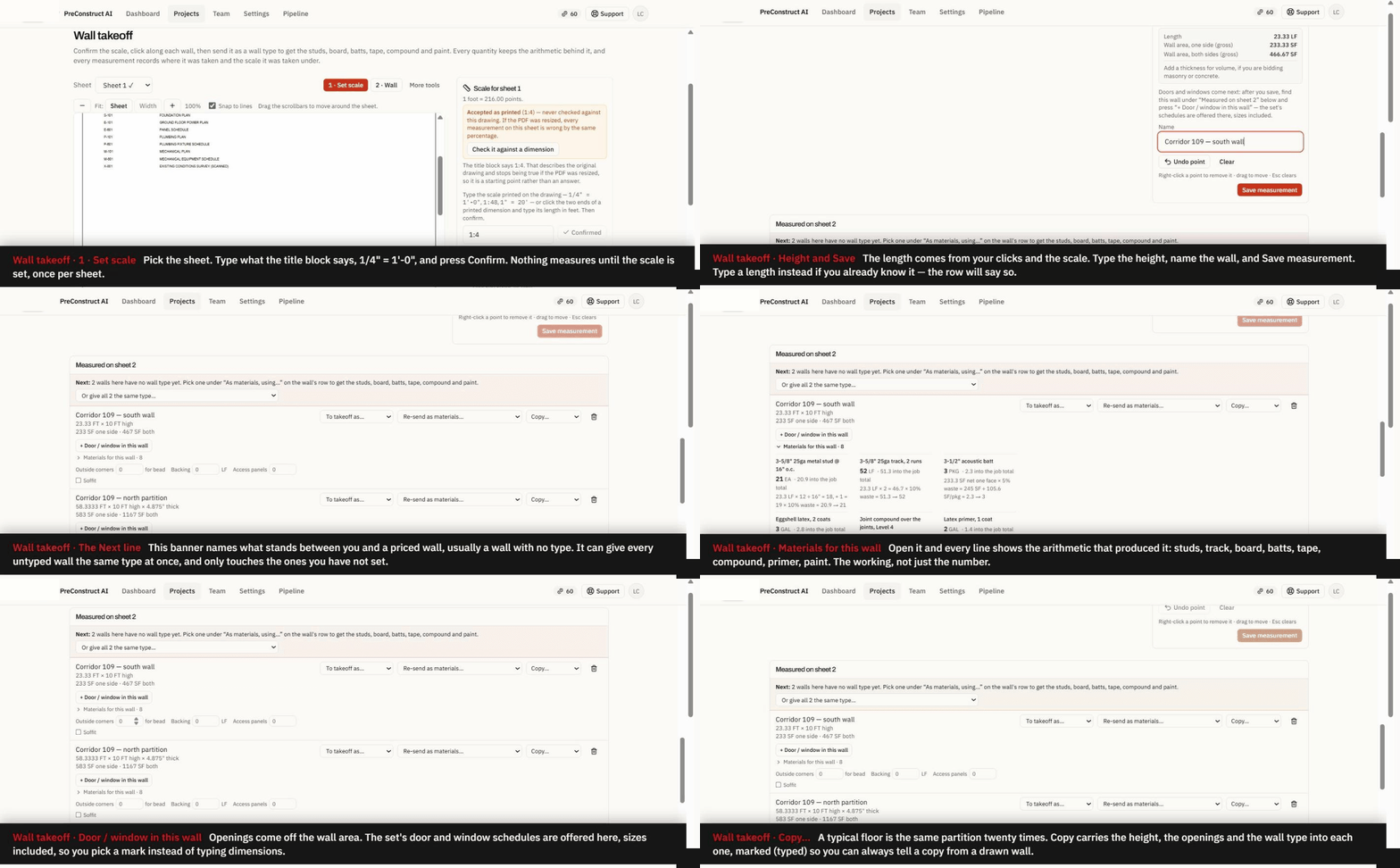
The heart of it. Set the scale once per sheet, click along a wall — or check and confirm the walls it suggests, a beta on every paid plan — and it becomes everything that wall buys, with the arithmetic printed beside every quantity.
What the clip covers
- 1 · Set scale, and why nothing measures until it is set
- 2 · Wall, clicking each end, and what Snap to lines does
- Wall suggestions (beta, every paid plan): marking the plan area, checking each red suggestion — and the doors and windows listed in it — against the drawing, then confirming or rejecting it
- Checking the height it read from the drawing (beta), or typing it, then naming the wall and saving it
- 3 · Wall type: pick one from your list or create one, then apply it to as many walls as you like
- A wall type suggested for each wall, walls that stand above the ceiling or to the deck, and walls already measured on another sheet — each checked before you accept
- The Next line, which names what is standing in your way
- As materials, using… — nine wall types, or build your own
- Materials for this wall, and the working behind each number
- Doors and windows, taken off the wall area
- Outside corners, backing, access panels and the soffit tick
- Copy, for the same partition twenty times
Suppliers
What a supplier actually quoted for this job. This is the strongest kind of price in the system: it beats your standing price on every line it covers, because it is the paperwork you will be invoiced against.
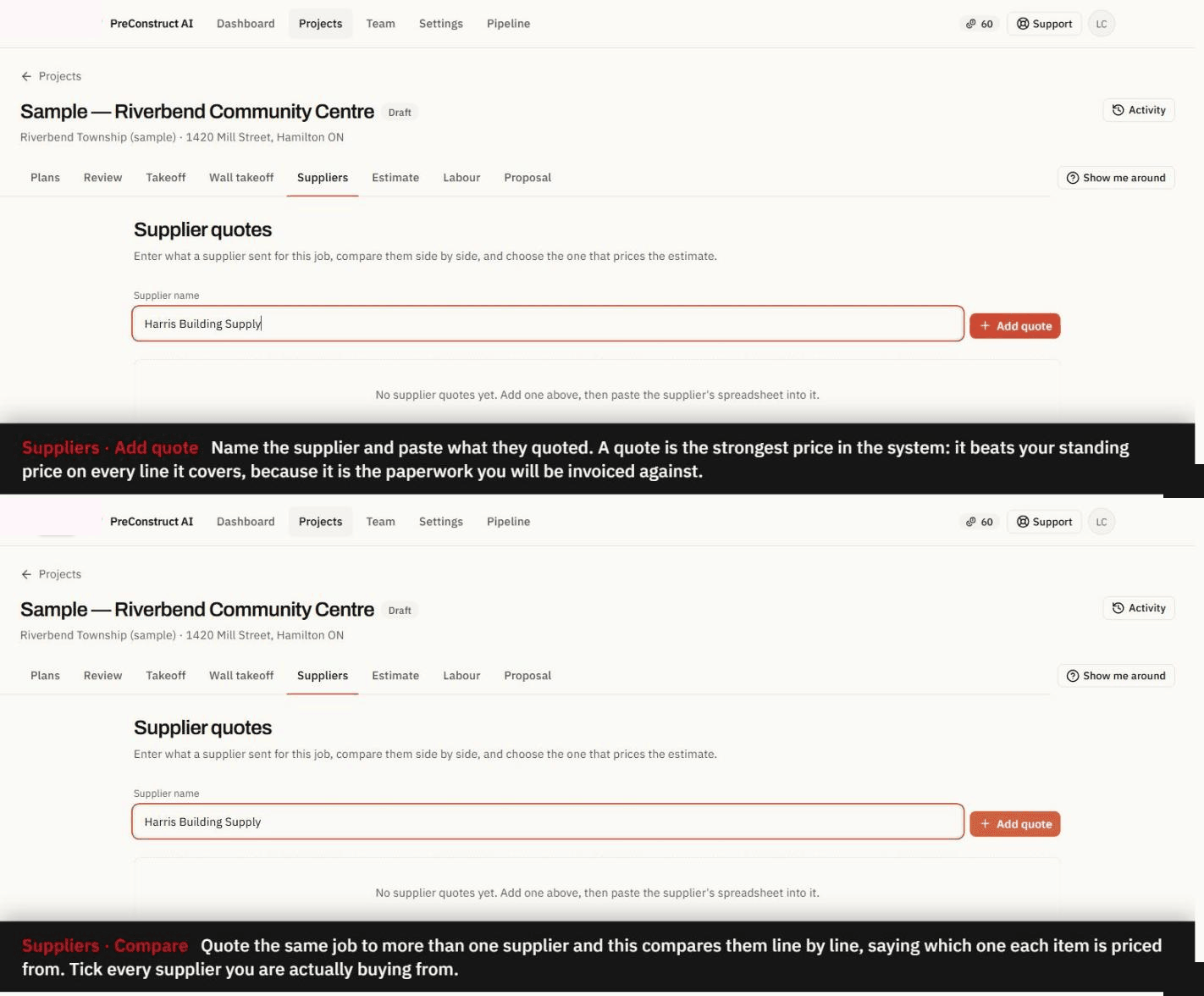
What the clip covers
- Adding a supplier and what they quoted
- Comparing two suppliers line by line
Estimate
Every quantity, priced, with a badge on each line saying where its price came from. A quote beats the book, and a price you type beats both — nothing you enter is ever overwritten.
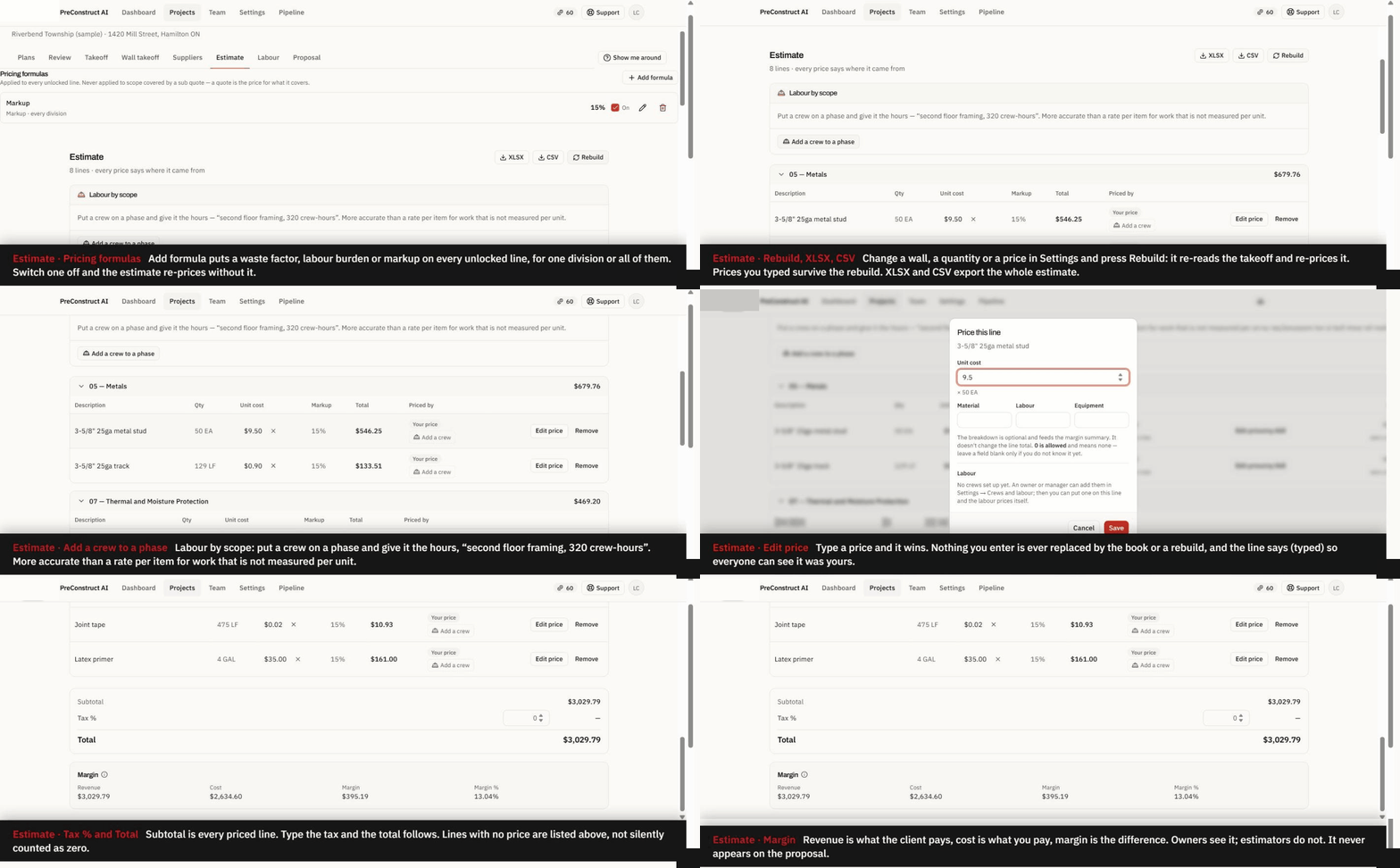
What the clip covers
- Pricing formulas: waste, labour burden and markup
- Rebuild, and why typed prices survive it
- XLSX and CSV export
- Add a crew to a phase, for work not measured per unit
- The priced-by badges, and adding a crew to a line
- Edit price, and what happens to the line afterwards
- Tax and total
- Margin — owners only, and never on the proposal
Labour
Hours bid against hours worked, both in crew-hours. The only screen here that tells you whether your rates are right, rather than whether your arithmetic is.
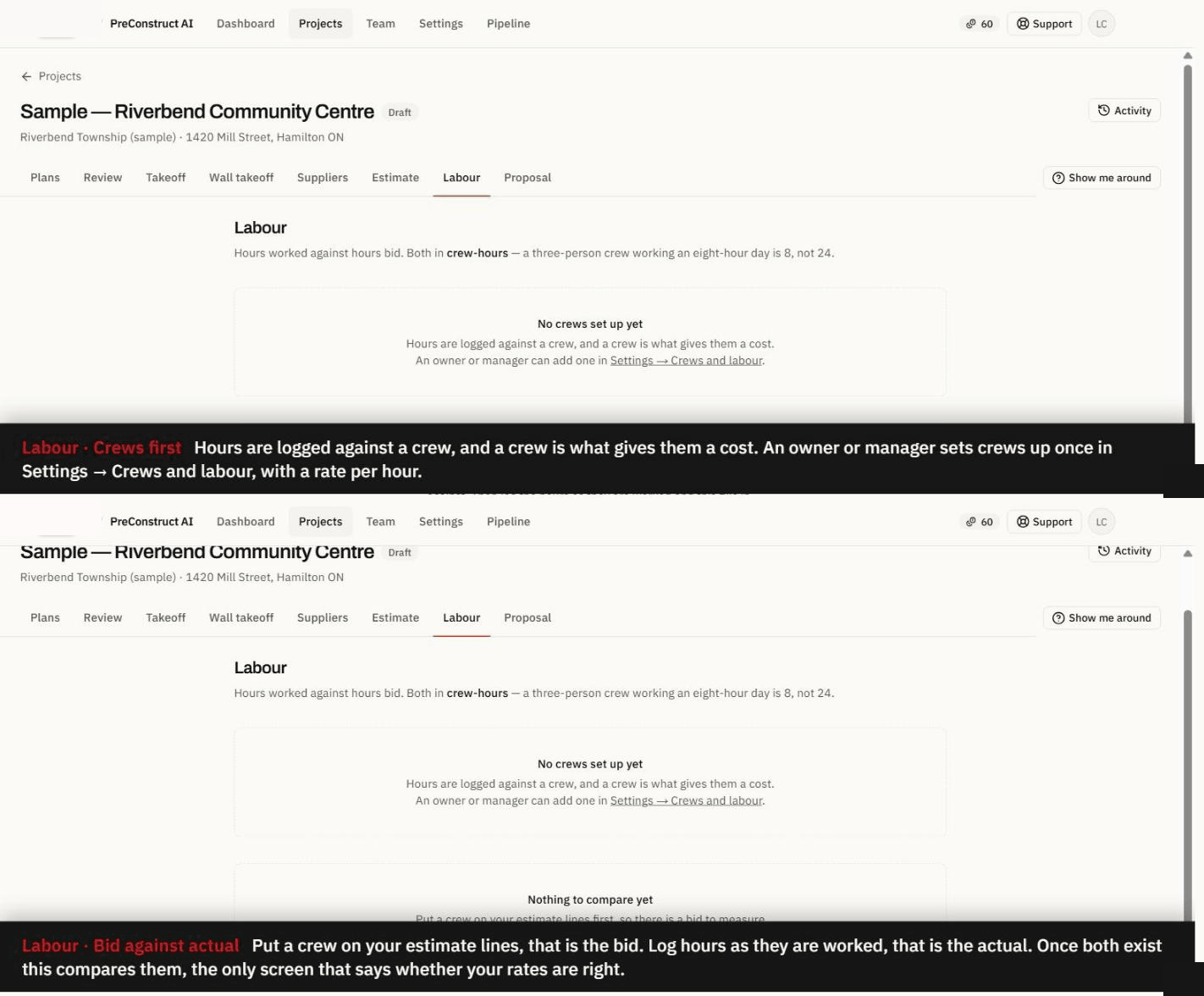
What the clip covers
- Why crews come first, and where they are set up
- Bid against actual, once both halves exist
Proposal
The estimate as a document your client opens on their phone. What the job includes and what it does not, with every revision kept.
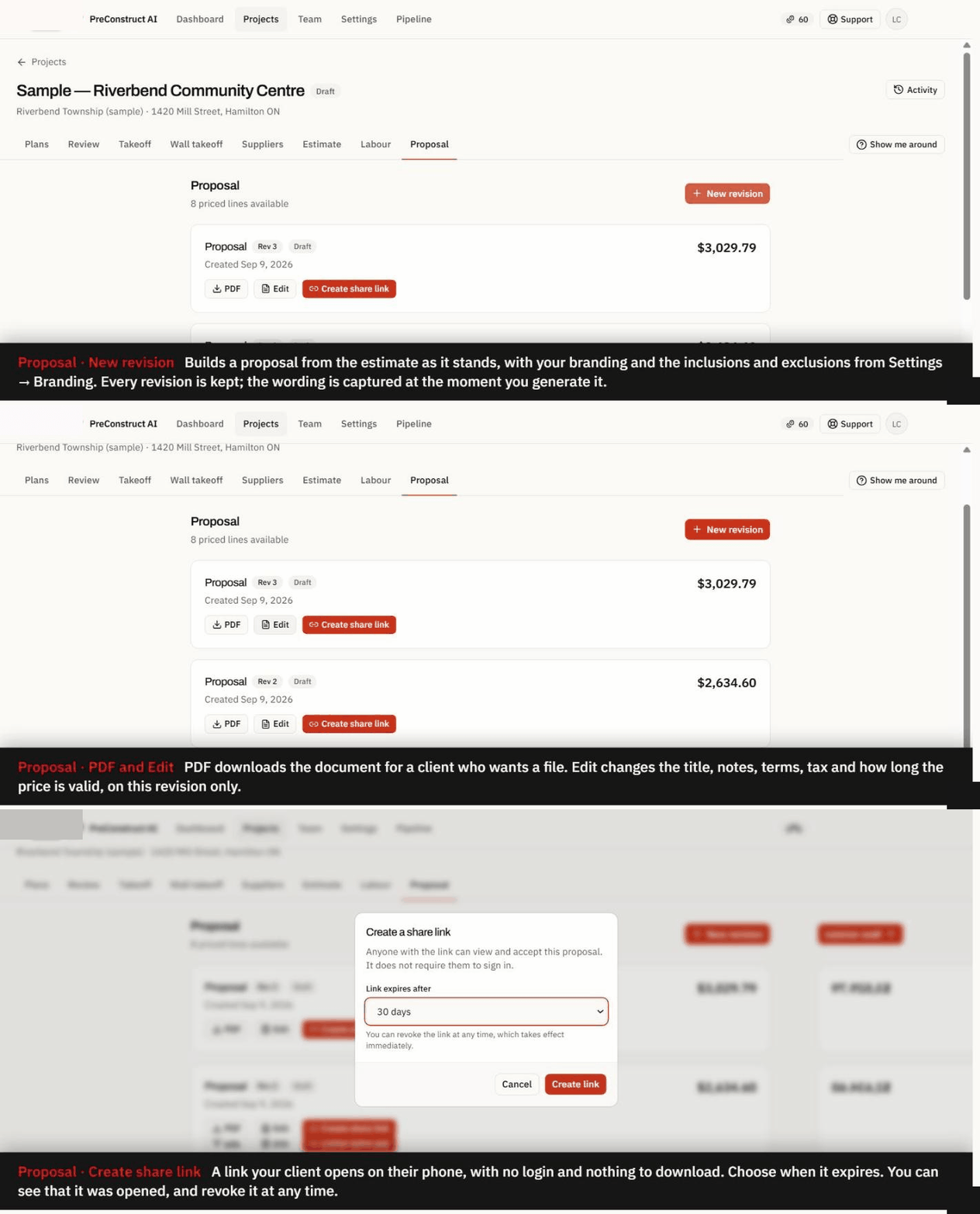
What the clip covers
- New revision, and what it captures at the moment you press it
- PDF, for a client who wants a file
- Edit, for the title, notes, terms, tax and validity
- Create share link, when it expires, and revoking it
Try it on a set you have already bid
You know what that job actually bought, so you can grade the answer instead of trusting it. Your first set is free, and there is a sample set built in that costs nothing at all.